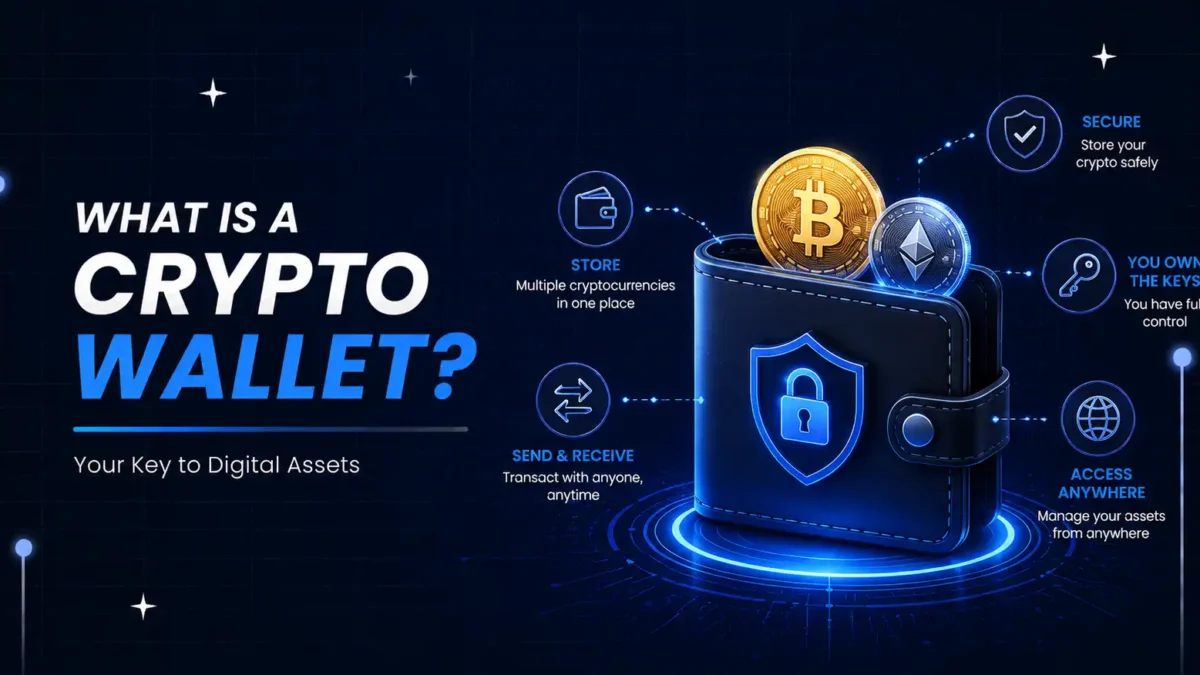


With the rapid changes in assets, investments, and finances, crypto is becoming increasingly popular today as more Indians are exploring it regularly. But one question keeps coming up is “how do I keep my digital assets safe?” This is where understanding crypto or blockchain wallet becomes helpful. It’s an essential tool for holding digital assets like Bitcoin or Ethereum. Think of it as your digital vault that makes owning crypto possible.
Getting a grip on how crypto wallets work is your first step toward navigating this space with confidence. This guide breaks down everything you need to know about blockchain wallets, from what they are to finding the perfect one that matches your goals.
Key Takeaways
- Crypto wallets don’t store your coins. They store the private keys that give you access to your crypto on the blockchain
- Hot wallets offer convenience for frequent transactions, whilst cold wallets provide maximum security for long-term storage
- Your private key is everything. Losing it means losing access to your crypto permanently, with no recovery option
- Assorted wallet types serve distinct purposes, from custodial wallets on exchanges to hardware devices for serious investors
- Security and convenience exist on a spectrum. The safest wallets require more effort to use, whilst the easiest ones require trusting third parties
What Is a Crypto Wallet?
A crypto or blockchain wallet is your digital gateway to blockchain networks, enabling you to send and receive cryptos like Bitcoin. Contrary to its name, a wallet doesn’t actually store coins. Your crypto remains on the blockchain’s public ledger. Instead, wallets store two critical components: your public key, like an account number for receiving funds, and your private key, which is your password and secret code proving ownership.
Your public key can be shared safely with anyone sending you crypto. However, your private key must remain confidential; whoever controls it controls your funds completely.
When sending crypto, your wallet uses the private key to digitally sign transactions, which the blockchain network verifies and records permanently. This system eliminates intermediaries, giving you direct control.
For Indian users, platforms like CoinDCX offer custodial wallet services that manage security while you invest. Understanding wallet mechanics helps you make informed decisions about storing digital assets.
Types of Crypto Wallets
Crypto wallets come in several forms, each with different purposes. Each type offers a balance between access, control, and security. Understanding these wallet types helps users choose storage that fits their needs and habits.
1) Hot Wallets
Hot wallets are always connected to the internet. They allow quick access for sending, receiving, and checking crypto balances. Mobile wallet apps and exchange wallets usually follow this structure. CoinDCX accounts also operate as hot wallets within the platform environment.
2) Cold Wallets
Cold wallets remain completely offline and disconnected from networks. This structure greatly reduces the risk of online hacking attempts. Many long-term holders use cold wallets for storing assets safely. Access requires connecting the device or importing keys into software. The process takes more time but improves security for stored funds.
Also Read: Difference Between Cold and Hot Wallets
3) Software Wallets
Software wallets are applications installed on phones or computers. They allow users to store private keys and manage crypto balances. These wallets support sending payments and checking transaction history. Many users choose software wallets for everyday crypto activity. They combine accessibility with moderate security features.
4) Hardware Wallets
Hardware wallets are physical devices designed for offline key storage that look similar to small USB drives. Private keys remain inside the device during transactions. Even if the computer is compromised, the keys stay protected.
5) Custodial Wallets
Custodial wallets are managed by third-party service providers, commonly offered by crypto exchanges. When users create an account on CoinDCX, the platform manages wallet security and key storage. This structure removes the need to store private keys personally and also allows password recovery and account support.
6) Non-Custodial Wallets
Non-custodial wallets give users full control over their private keys. No third party manages or restricts the wallet. This structure provides greater independence and ownership of funds. However, users must protect their keys and backup phrases carefully. Losing the keys permanently blocks access to stored crypto.
7) Paper Wallets
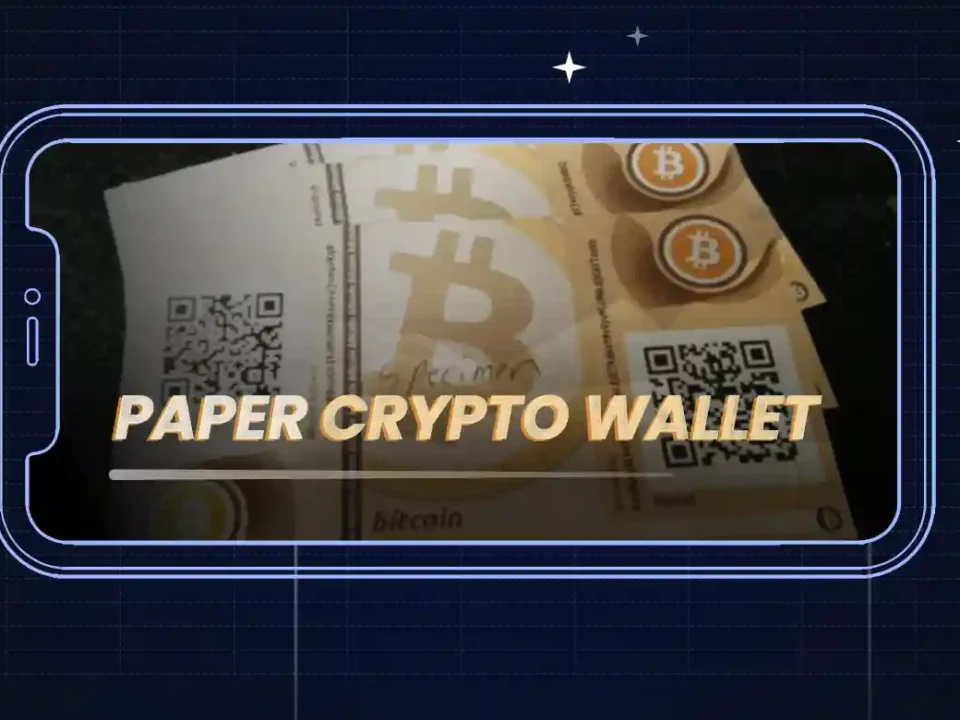
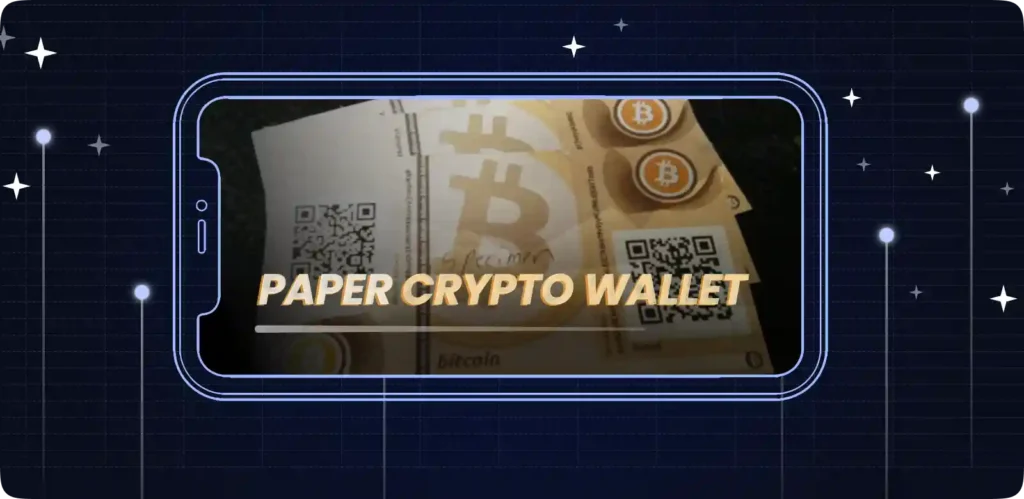
Paper wallets store private keys on printed documents. They represent an early form of offline crypto storage. Because the keys exist only on paper, they remain completely offline. However, paper can be damaged by fire, water, or physical loss. Many security experts now prefer hardware wallets for safer cold storage.
How Crypto Wallets Work?
Understanding how crypto wallets work begins with two concepts. These include public keys and transaction signing processes. Both help secure ownership and movement of digital assets.
Public and Private Keys
Every crypto wallet uses a pair of cryptographic keys. The public key acts like an address for receiving crypto. Users share this address when someone sends digital assets. The blockchain records transactions linked to that public address.
The private key proves ownership of the associated crypto balance. This key must remain secret because it controls access. Many wallets also generate a seed phrase for recovery. Users should store this phrase safely in offline locations.
Also Read: What are Public & Private Keys
Transaction Signing
When sending crypto, the wallet creates a transaction message. This message includes the recipient address and transfer amount. The wallet signs the transaction using the private key. This digital signature proves the sender owns the funds. Network validators then verify the transaction before confirmation. On platforms like CoinDCX, this process happens automatically for users. Understanding this system helps beginners recognise how crypto ownership works securely.
Which Wallet Type Is Safer?
| Wallet Type | Internet Connection | Who Controls Private Keys | Security Level | Convenience Level | Best Use Case | Key Risks |
| Hardware Wallet | Offline storage | User controls keys | Very high security | Lower convenience | Long-term storage of larger crypto holdings | Device loss or forgotten recovery phrase |
| Software Wallet | Connected to the internet | User controls keys | Moderate to high security | High convenience | Regular transactions and moderate crypto balances | Malware or compromised device |
| Custodial Wallet | Connected through the exchange platform | Exchange controls keys | Moderate security, depending on the platform | Very high convenience | Beginners and active traders on exchanges like CoinDCX |
The safest crypto wallet depends on how you plan to use crypto. Different wallets balance security, control, and convenience. Choosing the right option depends on your needs and experience.
Hardware Wallet Security
Hardware wallets are widely considered the most secure option. They store private keys offline and away from internet threats. This design protects funds from hacking or malware attacks. However, users must connect the device when sending transactions. This extra step reduces convenience but increases protection.
Software and Custodial Wallets
Software wallets offer a balance between access and control. They allow users to manage crypto through mobile or desktop apps. Security depends on how safe the device remains. Custodial wallets prioritise convenience for beginners. Exchanges like CoinDCX manage private keys and account protection. Users can easily trade and recover accounts. However, the platform holds custody of the assets.
Many users follow a mixed approach. Smaller funds stay in exchange wallets. Larger holdings often move to hardware wallets for safer storage.
Common Wallet Examples
Different crypto wallets serve different security and usage needs. Some wallets focus on easy access for daily transactions. Others prioritise stronger protection for long-term crypto storage.
MetaMask
MetaMask is a popular non-custodial browser-based software wallet. It mainly supports Ethereum and other compatible blockchain networks. The wallet allows users to manage tokens and interact with decentralised applications. Because it remains connected to the internet, users must follow strict security practices.
Trust Wallet
Trust Wallet is a mobile-based non-custodial crypto wallet. It supports multiple blockchains and many different digital assets. Users control their private keys and recovery phrases directly. The wallet suits people who prefer to manage crypto on mobile devices.
Ledger
Ledger is a well-known hardware wallet used for offline storage. The device stores private keys securely within specialised hardware chips. Transactions require confirmation on the physical device itself. Many users choose hardware wallets like Ledger for long-term crypto storage.
Also Read: How to Setup Crypto Wallet
Conclusion
Wallet choice depends on security needs and usage patterns. Software wallets like MetaMask suit active DeFi users, while Trust Wallet serves mobile-first audiences. Hardware wallets like Ledger provide maximum security for long-term holders. Always secure your seed phrase and download wallets only from authorised sources. Start with small amounts to test your setup, then gradually increase your holdings as you gain confidence in managing your digital assets.
FAQs
Q1. Do crypto wallets store coins?
No, crypto wallets don't store coins. They store the private keys that prove your ownership of crypto, recorded on the blockchain. Think of it as a keychain that holds the keys to your digital assets, while the actual assets remain on the blockchain.
Q2. Can wallets be hacked?
Yes, some crypto wallets can be hacked, especially hot wallets connected to the internet. Hardware wallets reduce this risk by storing private keys offline. Safe practices such as strong passwords and the protection of recovery phrases improve security.
Q3. Are crypto wallets legal to use?
Yes, crypto wallets are completely legal to use in India, and individuals freely hold crypto through them. However, it's important to stay informed about evolving regulations regarding crypto taxation.
Q4. Can I withdraw from a crypto wallet?
Yes, you send crypto from your wallet to exchanges anytime you want. The transaction typically incurs a small network fee and takes anywhere from a few minutes to a few hours, depending on blockchain congestion.
Q5. What happens if I lose my private key?
Lost private keys result in permanent loss of access to your crypto. There's no customer service available and no recovery option. This is why securely backing up your keys in two safe locations is absolutely critical.
Q6. Is a crypto wallet the same as a crypto exchange?
No, exchanges are trading platforms where you buy crypto, whilst wallets are tools for storing your private keys. Many users keep funds on exchanges for active trading but transfer to personal wallets for long-term storage.
Q7. What is a seed phrase in a crypto wallet?
A seed phrase is a 12-24-word backup sequence that restores complete access to your wallet if you lose your device. Write it down on paper, store it securely offline, and never share it with anyone or store it digitally where it could be compromised.