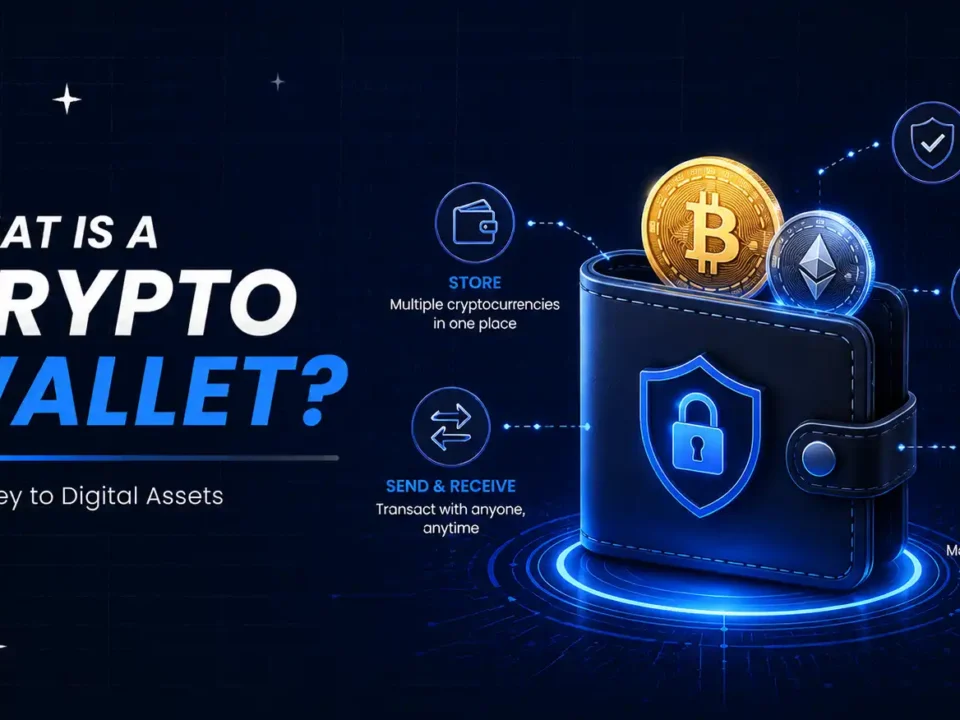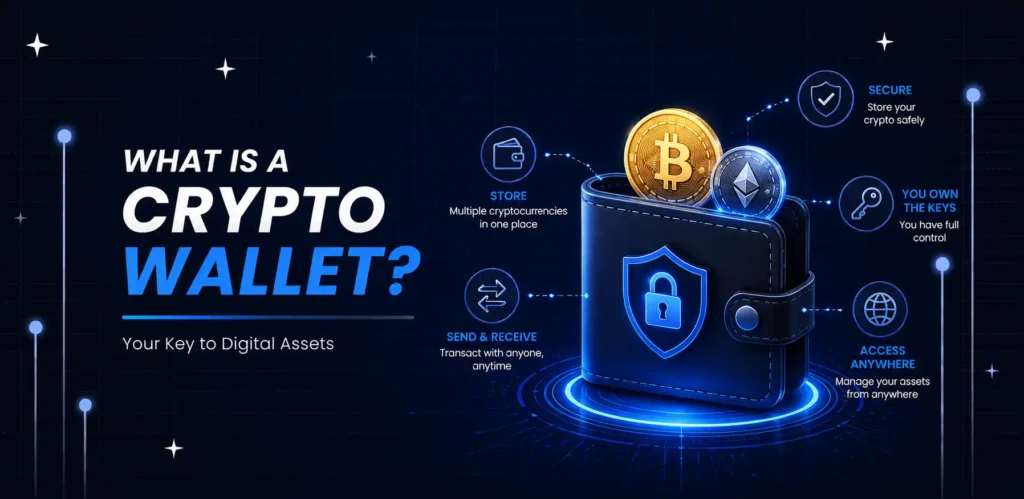


Crypto holds monetary and financial value; hence its ownership comes with a different kind of responsibility. Unlike traditional bank accounts, crypto does not rely on institutions to hold or recover funds as they are digital assets, and the security depends entirely on private keys. This makes secure storage a key part of using crypto, as even a small mistake can lead to permanent loss.
While many users store crypto in apps or exchange wallets, others prefer offline methods to reduce online risks. A paper crypto wallet is one such offline method, where wallet details are printed on paper instead of stored digitally. Understanding how these paper crypto wallets work helps beginners choose a safer way to store their crypto.
Key Takeaways
- A paper crypto wallet is a printed document containing a public address and private key used to access crypto on the blockchain.
- It is a form of cold storage that remains completely offline, reducing exposure to many online hacking risks.
- Paper wallets were widely used in the early years of Bitcoin as a simple method to store crypto without digital devices.
- The private key controls access to the funds, so anyone who obtains it can transfer the associated crypto.
- Creating a paper wallet involves generating secure keys, printing them, and storing the document safely.
- Although paper wallets remove many cyber risks, they introduce physical risks such as loss, theft, or damage, which is why many users today prefer hardware wallets.
What Is a Paper Crypto Wallet?
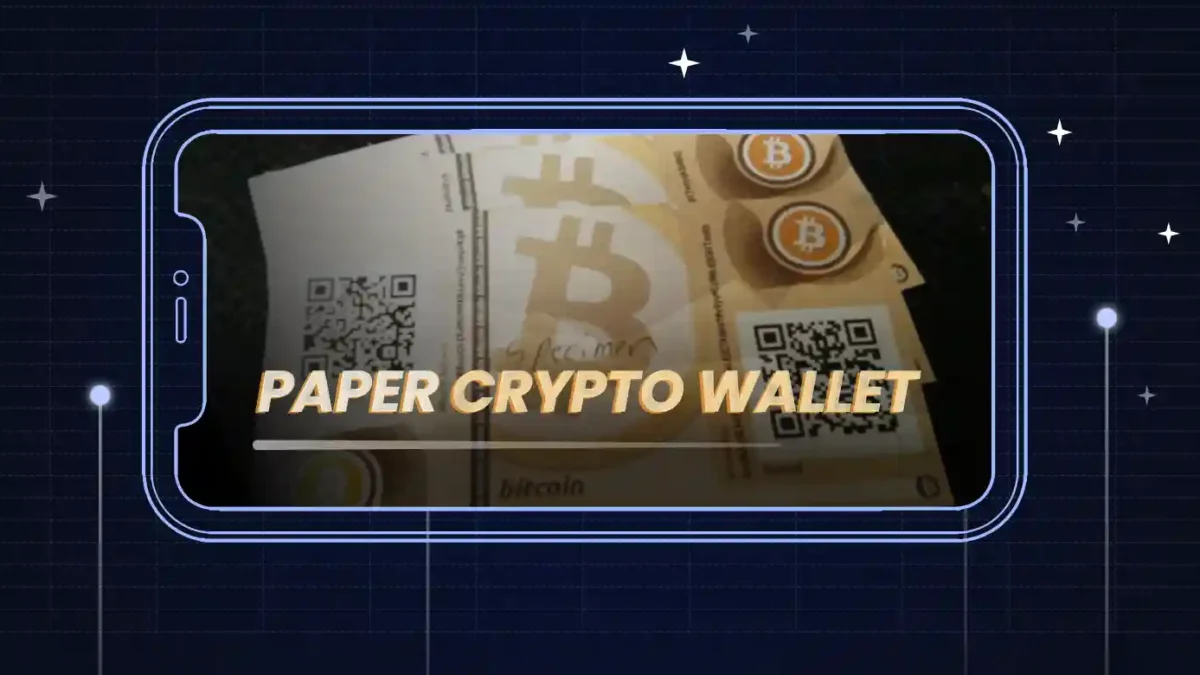
A paper crypto wallet is a physical document that stores crypto wallet details, usually including a public address and a private key. The public address serves as an account number used to send or receive crypto, while the private key proves ownership and grants full control over the funds. Anyone with access to the private key can move the assets, making it critical to protect it. Most paper wallets also include QR codes that allow users to quickly scan and access wallet information. Paper wallets fall under cold storage, meaning they remain disconnected from the internet, reducing exposure to hacking risks. Popular during Bitcoin’s early years, many users printed wallet keys and stored them securely for long-term offline storage.
Also Read: Complete Blockchain Wallet Guide
Why Do People Use Paper Crypto Wallets?
Some crypto users prefer simple and offline storage methods. A paper wallet removes dependence on software applications or hardware devices. Since the wallet stays offline, hackers cannot access it remotely, putting your cryptos at risk. This feature makes paper wallets useful for long-term storage when funds are not accessed frequently. Another advantage is the wallet’s simplicity, which makes the whole process efficient and effective. A paper wallet does not require electricity, internet access, or special software. It exists independently of digital infrastructure. However, this simplicity also creates responsibility. If the paper is damaged, stolen, or lost, access to the crypto funds may be permanently lost. CoinDCX provides educational resources that explain how crypto wallets function, how private keys should be protected, and how different storage methods compare. These resources help beginners understand safe ways to manage and store digital assets.
How a Paper Crypto Wallet Works?
A paper crypto wallet works by storing cryptographic keys offline, which serve as credentials that prove ownership of crypto on the blockchain. Every crypto wallet contains two important keys:
- Public Key: The public key works like a receiving address. Other users send crypto to this address when making payments.
- Private Key: The private key allows the owner to access and transfer the funds. It serves as the wallet’s primary security element.
When someone creates a paper wallet, a wallet generator produces these two keys. The generator displays them as text and QR codes. Once printed, the information remains completely offline. Users store the paper securely until they want to access their funds. When the owner decides to spend the crypto, they import the private key into a digital wallet. The wallet software then verifies ownership through the blockchain network. It is important to remember that crypto is not stored on paper itself. The paper simply stores the keys that provide access to blockchain records.
Advantages and Limitations of Paper Wallets
Paper wallets provide certain benefits but also carry practical risks.
Advantages
- Complete offline storage removes exposure to internet attacks.
- Paper wallets do not rely on electronic devices or software.
- They cost much less than hardware wallet devices.
- The concept remains simple and easy to understand.
Limitations
- Physical damage may permanently destroy access to the wallet.
- Anyone who finds the paper could access the funds.
- Compromised computers during printing may expose private keys.
- Recovery becomes impossible if the document disappears.
How to Set Up a Paper Crypto Wallet
Creating a paper crypto wallet requires careful preparation. Each step must protect the private key from exposure.
Step 1: Choose a Trusted Wallet Generator
The process begins by selecting a reliable wallet generator. These tools create random public and private key pairs. Many users prefer open-source generators for transparency.
Step 2: Disconnect the Device from the Internet
Before generating keys, disconnect the device from the internet. This step prevents remote interception and protects the private key during creation.
Step 3: Generate the Wallet Address and Private Key
The generator produces a wallet address and private key pair. Most tools also create QR codes for easier scanning later.
Step 4: Print the Paper Wallet
Next, print the wallet details on paper. The printed document usually shows the keys as text and QR codes. Printing should occur on a trusted and secure printer.
Step 5: Store the Wallet Safely
After printing, store the paper wallet in a secure location. Many users choose safes, vaults, or protective storage. The goal is to prevent theft, loss, or accidental damage.
Also Read: Best Crypto Wallets in India
How to Withdraw from a Paper Crypto Wallet
Withdrawing funds from a paper crypto wallet involves moving the private key into a digital wallet that supports this feature. Once the private key is exposed online, the paper wallet should no longer be treated as secure. For that reason, users usually transfer the full balance to a new wallet address after import.
Step 1: Choose a Compatible Crypto Wallet
Start by selecting a wallet application that supports importing private keys or wallet sweeping. This is important because not every wallet offers that option. Use a trusted wallet that matches the crypto stored in the paper wallet.
Step 2: Open the Import or Sweep Option
After installing the wallet, open the menu to import a private key. Some wallets use the term import private key, while others use sweep paper wallet. Sweeping is often safer because it moves the funds to a fresh wallet address.
Step 3: Enter the Private Key
Now scan the QR code on the paper wallet or type the private key manually. This step proves wallet ownership and grants the application access to the funds linked to that address.
Step 4: Check the Wallet Balance
Once the key is imported, the wallet reads the blockchain and shows the available balance. At this stage, confirm the amount before starting the transfer.
Step 5: Transfer the Funds to a New Wallet
Send the crypto to a new wallet address that you control. This step is important because the old private key has now been exposed to an online device. Moving the funds helps reduce future security risks.
Step 6: Stop Using the Original Paper Wallet
After the transfer is complete, do not continue using the same paper wallet for storage. Since the private key is no longer fully offline, it should no longer be treated as secure cold storage.
Also Read: What is Crypto Wallet Address
Is a Paper Crypto Wallet Secure?
Yes, a paper crypto wallet can be secure when handled carefully. Its main advantage comes from being completely offline. Because the wallet never connects to the internet, remote hackers cannot access it directly. This removes many common digital security risks. However, physical risks become the main concern. Paper can tear, burn, fade, or get lost over time. Anyone who gains access to the document could also control the funds. For this reason, the security of a paper wallet depends heavily on safe storage practices.
Best Practices for Protecting a Paper Wallet
Following good storage practices helps reduce risks:
- Use Durable Storage: Paper may degrade over time. Some users laminate their wallet or store it in protective sleeves.
- Store Copies in Secure Locations: Keeping copies in separate secure locations reduces the risk of total loss. Some individuals use bank vaults or secure home safes.
- Avoid Digital Copies: Taking photos or scanning the wallet creates digital versions of the private key. These copies may expose the wallet to hacking risks.
How Is a Paper Wallet Different from Other Wallets?
A paper wallet stores crypto keys on physical paper rather than digital devices. Software and hardware wallets rely on electronic systems, while paper wallets exist entirely offline. Digital wallets offer convenience and quick transactions. Paper wallets require manual handling and careful storage. Here is a comparison table to make it easier for you to choose:
| Wallet Type | Storage Method | Internet Connection | Security Level | Ease of Use |
| Paper Wallet | Printed private key | Offline | High if stored safely | Moderate |
| Software Wallet | Mobile or desktop application | Online | Medium | High |
| Hardware Wallet | Dedicated hardware device | Mostly offline | Very high | High |
| Exchange Wallet | Managed by an exchange platform | Online | Medium | Very high |
Each wallet type serves different needs depending on security and convenience.
Also read: Key differences between hot and cold wallets
Managing Crypto Storage Safely
Crypto storage requires careful responsibility from every user. Blockchain networks do not provide traditional account recovery systems. If a private key is lost, access to the funds is permanently lost. No bank or institution can restore the wallet. For this reason, education about wallet security is extremely important. CoinDCX also provides tools to help users track crypto market activity and better understand digital assets. Educational resources allow beginners to learn about crypto custody before interacting with blockchain systems. Understanding wallet options, including paper crypto wallets, helps users participate more safely in the crypto ecosystem.
Conclusion
Paper crypto wallets are among the earliest methods of offline crypto storage. By storing wallet credentials on a printed document that remains disconnected from the internet, they reduce exposure to many online hacking risks. However, this approach requires careful handling and secure storage. Physical damage, theft, or loss can permanently remove access to funds, and anyone who obtains the private key can control the assets. For this reason, proper storage practices are essential when using paper wallets. Although modern storage solutions such as hardware wallets are more widely used today, paper wallets still demonstrate the core concept of offline crypto security. CoinDCX also provides educational resources that help beginners understand wallet security, blockchain fundamentals, and responsible crypto management.
FAQs
Q1. Are paper wallets safe?
Paper wallets can be safe when they are created and stored properly. Because they remain completely offline, they are not exposed to many common cyber threats such as malware or exchange breaches. However, their safety depends heavily on physical protection. If the document is damaged, stolen, or misplaced, the funds linked to the wallet could become permanently inaccessible.
Q2. Can paper wallets be hacked?
Paper wallets cannot be hacked through the internet because they are not connected to any online system. This offline nature protects them from remote cyber attacks. However, security risks still exist if someone gains physical access to the paper or discovers the private key. Anyone with the private key can move the funds without needing additional verification.
Q3. Are paper wallets still used?
Paper wallets are still used in some situations, especially by individuals who prefer fully offline storage methods. However, they are less common today than they were in the early years of crypto. Many users now choose hardware wallets because they provide strong security while also offering easier management and recovery features.
Q4. How do you create one?
A paper wallet is created using a wallet generator, which generates a unique public address and private key pair. These keys are usually displayed as text along with QR codes for easier scanning. After generation, the wallet details are printed on paper and stored in a secure location to prevent loss or unauthorized access.
Q5. What happens if I lose it?
If a paper wallet is lost and no backup exists, the crypto stored in that wallet becomes permanently inaccessible. Blockchain networks do not provide recovery systems for lost private keys. Without the private key, there is no way to prove ownership or access the funds associated with that wallet address.