

NFTs have become a major part of the digital economy. NFTs gained mainstream attention through digital art, gaming assets, membership communities, and creator economies, demonstrating how blockchain technology can be used beyond traditional financial transactions. Many people explore NFTs as a new investment option, especially as blockchain adoption continues to grow across industries. Interest has increased because NFTs offer proof of authenticity and direct ownership without intermediaries. Some investors view investing in NFTs as a way to diversify their digital assets, while creators use them to monetise content in new ways. The rapid rise of NFT platforms has also made it easier to understand where to buy NFTs and participate in this space. However, understanding the basics is important before entering this space. This guide explains how to buy NFTs step by step in a clear and simple manner. It also covers key benefits and risks, as well as how NFT marketplaces function in real-world use.
Key Takeaways
- NFTs represent unique digital ownership backed by blockchain technology, which ensures transparency and authenticity.
- Understanding how to buy NFT involves setting up a wallet, funding it, and using a reliable marketplace.
- NFT marketplaces play a key role in helping users discover, evaluate, and trade digital assets.
- NFTs offer benefits like global access and creator support, but they also carry risks, including volatility and fraud.
- Learning how to invest in NFTs requires careful research, including verifying creator credibility and tracking market trends.
- Users should also understand how to create and how to sell NFTs to fully participate in the NFT ecosystem.
What Are NFTs and NFT Marketplaces?
NFTs, or Non-Fungible Tokens, are unique digital assets stored on blockchain networks. Unlike cryptos such as Bitcoin or Ethereum, which are fungible and can be exchanged on a one-to-one basis, each NFT has distinct characteristics that make it unique and non-interchangeable.
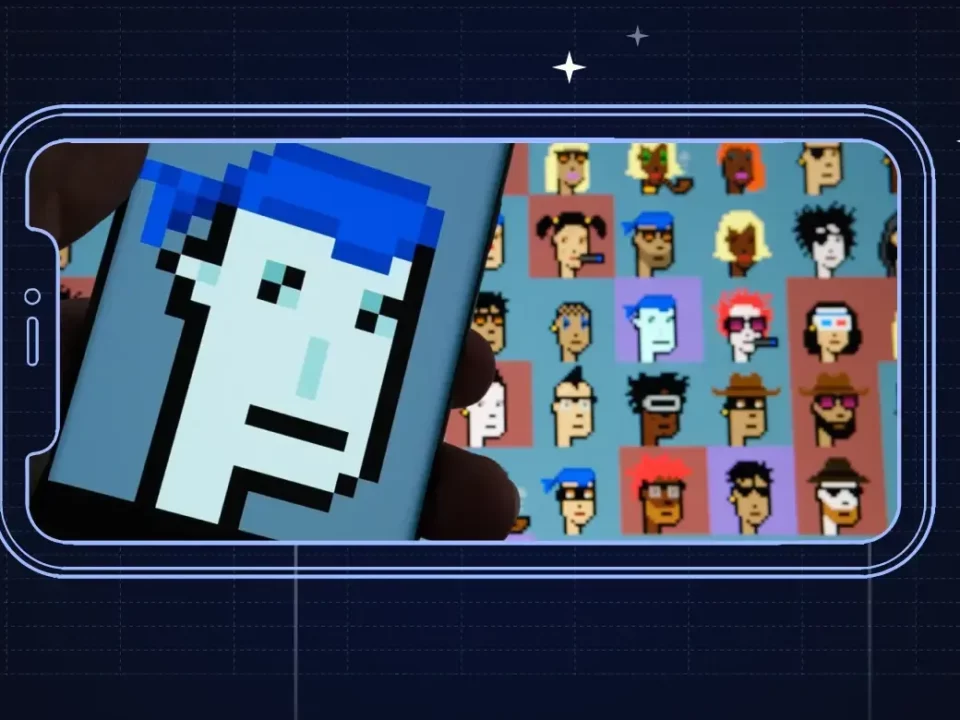
NFTs can represent ownership of digital items such as artwork, music, collectibles, gaming assets, or virtual real estate. This uniqueness allows NFTs to provide verifiable proof of ownership and authenticity, distinguishing them from cryptos, which primarily function as a medium of exchange or a store of value.
Also Read: Fungible Vs Non-Fungible Tokens
How to Invest in NFTs?
Investing in NFTs requires a few basic steps. Each step helps you interact safely with blockchain systems. Beginners often start by learning how to buy NFTs through trusted platforms and tools. Below is a simple, structured, practical process for investing in NFTs.
Step 1: Set Up a Crypto Wallet
A crypto wallet stores digital assets and gives access to blockchain networks. It also connects you to NFT marketplaces for smooth transactions. Popular options include MetaMask and Trust Wallet, which support Ethereum-based NFTs. Wallet setup usually takes a few minutes and requires basic verification. You will receive a recovery phrase during setup, which is very important. This phrase helps you recover your wallet if you lose access to it. Never share this phrase with anyone, as it controls your funds. A secure wallet is the first step toward buying NFTs safely.
Also Read: Best Crypto Wallets in India
Step 2: Add Crypto to Wallet
Most NFTs are priced in Ethereum, so you need ETH in your wallet. For users exploring how to buy NFTs in India, the process usually starts with purchasing Ethereum through crypto exchanges that support INR transactions. CoinDCX is a widely used Indian crypto platform that lets users buy Ethereum in a simple, secure way. It offers an easy onboarding process and supports smooth fund transfers. After purchasing ETH, you need to transfer it to your wallet address. Always double-check wallet details before confirming the transfer. This step ensures your wallet is funded and ready for NFT purchases.
Step 3: Choose an NFT Marketplace
NFT marketplaces are platforms where digital assets are listed for sale. If you are wondering where to buy NFTs, platforms like OpenSea and Rarible are common choices. These marketplaces display collections, creator details, and price history. They also allow users to compare different NFTs before making decisions. Some platforms focus on specific categories, such as art or gaming assets. Choosing the right marketplace helps you explore better options and understand market trends. Different marketplaces may support different blockchains, collections, and fee structures, making it important to review platform credibility before making a purchase.
Step 4: Connect Wallet to Marketplace
After selecting a marketplace, you need to connect your crypto wallet. This step allows the platform to access your wallet for transactions. The connection process is simple and usually requires approval through your wallet app. Once connected, you can view your balance and interact with listings. This integration ensures smooth and secure purchases without sharing sensitive data. It also prepares your account for completing NFT transactions securely on the platform.
Step 5: Browse and Buy the NFT
Once your wallet is connected, you can start browsing NFTs. Explore collections based on your interest, such as art, music, or virtual items. Before making a purchase, review details like creator authenticity and ownership history. Check pricing trends to understand the asset’s demand. When you are ready, confirm the transaction through your wallet. The NFT will be transferred to your wallet after the transaction is complete. This final step completes the process of how to buy NFTs and helps you participate in NFT marketplaces with more confidence.
Advantages and Risks of Investing in NFTs
| Advantages of Investing in NFTs | Disadvantages of Investing in NFTs |
| Digital Ownership | Price Volatility |
| Global Accessibility | Market Uncertainty |
| Creator Support | Liquidity Issues |
| Portfolio Diversification | Fraud and Authenticity Risks |
| Innovation and Utility | Technical and Security Risks |
How to Create an NFT?
Creating an NFT, also called minting, is the process of turning a digital file into a blockchain-based asset that can be owned, verified, bought, sold, and traded.
Step 1: Choose a Blockchain
The first step is selecting a blockchain that supports NFTs. Different blockchains offer varying transaction costs, processing speed, and network activity. Your choice will affect minting fees, transaction time, and overall user experience. It is important to review these factors before deciding, as they can influence both the creation process and your NFT’s market performance.
Step 2: Select an NFT Platform
Next, choose a platform that supports NFT creation and listing. These platforms are designed to be user-friendly and guide you through the minting process step by step. They allow creators to manage, list, and track their NFTs in one place, making the overall process more efficient and accessible for beginners and experienced users alike.
Step 3: Upload Digital File
You can upload digital content such as artwork, music, videos, or collectibles. The platform converts this file into a unique token linked to the blockchain. It is important to ensure that your content is original and properly formatted.
Step 4: Set Details and Royalties
After uploading the file, you need to add key details, including the title, description, and attributes. You can also set royalties, which allow you to earn a percentage from future resales. This feature is useful when you plan how to sell nft over time.
Step 5: Mint and List for Sale
Minting finalizes the NFT on the blockchain and confirms its authenticity. Once minted, you can list it for sale on the platform. You can choose between a fixed-price model and an auction model depending on your strategy. This step connects creation with selling and completes the NFT lifecycle.
Also Read: How to Create an NFT for Free?
How to Sell an NFT?
Selling an NFT involves listing your digital asset on an NFT marketplace and completing a blockchain-based transaction with a buyer. Here is the step-by-step process to sell an NFT:
Step 1: List NFT for Sale
To begin, select the NFT from your collection and choose the option to list it for sale. You will need to provide basic details such as price, duration, and any additional terms. A clear title and description can improve visibility and attract users looking to buy NFT.
Step 2: Set Price Type
You can choose between a fixed price and an auction format. A fixed price allows buyers to purchase immediately at the listed rate. An auction allows multiple buyers to place bids, which may increase the final selling price depending on demand.
Step 3: Pay Gas Fees
Some blockchains require gas fees to process transactions. These fees are used to validate and record actions on the blockchain. Gas fees can vary based on network activity, so it is important to review them before confirming your listing.
Step 4: Wait for Buyer
Once listed, your NFT becomes visible to users browsing the platform. The time required to sell depends on factors like pricing, demand, and how easily your NFT can be discovered. Better presentation and timing can improve your chances of a sale.
Step 5: Transfer Ownership
After a successful sale, ownership of the NFT is automatically transferred to the buyer’s wallet. The blockchain records this transaction permanently, ensuring transparency and proof of ownership. The payment is then credited to your wallet, completing the process of how to sell NFTs.
Conclusion
NFTs have introduced a new way to own and trade digital assets in the crypto ecosystem. Understanding how to buy NFTs is just the starting point, as users also need to evaluate marketplaces, pricing, and security practices. From setting up a wallet to exploring where to buy NFTs, each step plays an important role in the overall experience. NFTs offer benefits like digital ownership and global access, but they also carry risks, including volatility and fraud. Whether you plan to buy, create, or learn how to sell NFTs, informed decisions are essential. As the space continues to evolve, staying up to date and conducting thorough research can help users navigate NFTs more confidently and responsibly. Platforms like CoinDCX can support this journey by making it easier to access the cryptos required for NFT transactions.
FAQs
Q1. Where can I buy NFTs?
You can buy NFTs on digital marketplaces that support blockchain-based assets. These platforms connect to crypto wallets to enable secure transactions. Before deciding where to buy NFTs, compare fees, features, and asset categories. It is also helpful to explore different collections to understand pricing and demand trends.
Q2. Do I need crypto to buy NFTs?
Yes, most NFTs require crypto like Ethereum. You need to fund a wallet before making a purchase. Understanding this is essential when learning how to buy NFTs. You should also be aware of transaction fees that may apply during purchases.
Q3. Which are the major NFT marketplaces?
There are several NFT marketplaces that allow users to buy, sell, and explore digital assets. Choosing the right one helps you understand what is nft marketplace and how it works. Each platform may differ in terms of user experience, fees, and available categories.
Q4. Is investing in NFTs safe?
NFT investing involves risks and depends on research and security practices. Users exploring how to invest in NFTs should verify projects and avoid hype-driven decisions. Using secure wallets and trusted platforms can help reduce potential risks.
Q5. Can NFTs lose value?
Yes, NFT prices can drop in response to demand and market trends. It is important to evaluate assets carefully before you buy NFT. Market trends and creator credibility often influence long-term value.
Q6. Are NFTs legal in India?
NFTs are not illegal in India but are subject to taxation and evolving regulations. Users exploring how to buy NFTs in India should stay up to date on the rules. Following compliance guidelines helps avoid legal or financial issues.