
As of 2026, there are over 10,000 active crypto in circulation, with thousands more created and abandoned over the years. This number continues to grow as new projects launch daily across multiple blockchains. A common question among beginners is: How many crypto tokens exist today? The answer often surprises people.
This is where CoinDCX comes in, helping people track this fast-moving market with clear, safe information. The platform guides beginners and supports steady confidence in their crypto journey. Let us take a deeper dive into the world of crypto!
20 Major Cryptos as of 2026
Crypto prices and market caps change every day. These values are approximate reference figures from early 2026. Always check updated data on trusted platforms. This list also highlights the evolving nature of crypto, as coins rise and fall in response to upgrades, regulation, partnerships, or adoption. Some may move out of the top twenty in future years. New projects may take their place as usage patterns change, which is why tracking data from reliable platforms matters.
In the fast-moving world of cryptos, lists and coin positions are not permanent, just like any other trading market. It also comes with its own risks and regulations.
| Crypto | Approx. Price | Approx. Market Cap |
|---|---|---|
| Bitcoin (BTC) | ~$78,800 | ~$1.56 T |
| Ethereum (ETH) | ~$2,360 | ~$285 B |
| Tether (USDT) | ~$1 | ~$185 B |
| BNB (BNB) | ~$771 | ~$105 B |
| XRP (XRP) | ~$1.59 | ~$97 B |
| USD Coin (USDC) | ~$1 | ~$75 B |
| Solana (SOL) | ~$125 | ~$70 B |
| Cardano (ADA) | ~$0.35 | ~$12.5 B |
| Dogecoin (DOGE) | ~$0.12 | ~$20.6 B |
| Tron (TRX) | ~$0.28 | ~$26.8 B |
| Avalanche (AVAX) | ~$45 | ~$16 B |
| Polkadot (DOT) | ~$9 | ~$12 B |
| Chainlink (LINK) | ~$18 | ~$12 B |
| Polygon (MATIC) | ~$0.95 | ~$9 B |
| Shiba Inu (SHIB) | ~$0.00002 | ~$11 B |
| Litecoin (LTC) | ~$85 | ~$6 B |
| Internet Computer (ICP) | ~$13 | ~$6 B |
| Uniswap (UNI) | ~$8 | ~$5 B |
| Stellar (XLM) | ~$0.13 | ~$3.5 B |
| Ethereum Classic (ETC) | ~$25 | ~$3.7 B |
Taking a brief look at how each coin operates:
1) Bitcoin (BTC)
Bitcoin is the first and largest digital asset. Many people view it as a store of value. It leads global market discussions and sets the tone for trends.
2) Ethereum (ETH)
Ethereum supports smart contracts and thousands of apps. It powers DeFi, NFTs, and many blockchain tools. Developers choose it for flexibility and global reach.
3) Tether (USDT)
USDT is a stablecoin linked to the US dollar. It helps people transfer money without large price swings. It is widely used for trading and settlements.
4) BNB (BNB)
BNB powers the BNB Chain network. It supports apps, games, and DeFi tools. Holders often use it for fees and platform activities.
5) Solana (SOL)
Solana is known for fast transactions and low fees. Many apps and games run on its network. It attracts developers who want high performance.
6) XRP (XRP)
XRP focuses on fast cross-border payments. It aims to help banks and financial systems move money quickly. Its network uses low energy and quick settlements.
7) USD Coin (USDC)
USDC is another stablecoin tied to the US dollar. It is known for transparency and clear reporting. Many businesses and apps use it for payments.
8) Cardano (ADA)
Cardano uses a research-based approach to build secure systems. It supports decentralized apps and focuses on stability. The network grows steadily through upgrades.
9) Dogecoin (DOGE)
Dogecoin began as a meme but has since built a loyal community. People use it for small payments and fun online activities. Its culture drives much of its appeal.
10) Tron (TRX)
Tron supports content, payments, and digital ownership. It handles large transaction volumes daily. Many global users rely on it for fast and low-cost transfers.
11) Avalanche (AVAX)
Avalanche is known for speed and flexible networks. Developers build apps and finance tools on it. It aims to support many use cases without delays.
12) Polkadot (DOT)
Polkadot connects multiple blockchains into a single system. This helps networks share data safely. The project focuses on scalability and long-term growth.
13) Chainlink (LINK)
Chainlink brings real-world data to blockchains. Apps use it to access prices, weather, and external information. It is key for many DeFi tools.
14) Polygon (MATIC)
Polygon helps apps run faster and cheaper on Ethereum. Many projects use it due to low fees. It aims to make Web3 more accessible for everyone.
15) Shiba Inu (SHIB)
Shiba Inu started as a meme token but built a growing ecosystem. It includes apps, NFTs, and community-driven ideas. Its culture keeps it active.
16) Litecoin (LTC)
Litecoin works like a faster version of Bitcoin. People use it for quick payments. It has been active for many years with steady support.
17) Internet Computer (ICP)
ICP aims to host apps directly on the blockchain. It focuses on speed and open internet systems. Developers build tools without relying on traditional servers.
18) Uniswap (UNI)
Uniswap powers a major decentralized exchange. People use it to swap tokens without a middle party. UNI holders can vote on project decisions.
19) Stellar (XLM)
Stellar supports simple, low-cost cross-border transfers. It focuses on global payments and financial access. Many small transfers move through this network daily.
20) Ethereum Classic (ETC)
ETC is the original chain from Ethereum’s early days. It aims to protect decentralization and strict blockchain rules. It still supports apps and basic smart contracts.
These leading digital assets remain widely tracked and discussed worldwide. Their positions shift with time and changing market conditions. Knowing the major players gives beginners a strong base and helpful context. With more than 10,000 active crypto tokens today, the space may feel large, but only a small group drives most global activity. Market focus usually stays with established and well-tested projects. These twenty assets often appear in research lists, news updates, and portfolio
Total Number of Cryptoassets in 2026
So, how many assets exist in this space today? In 2026, the world has over 10,000 active tokens, though the total created since 2009 is far higher. Many projects never attract users or long-term support, and some disappear within months. The count shifts daily as new ideas enter the market and weaker ones fade away.
There is no single global list for all digital assets. Each platform builds its own database using its own methods and checks. Data trackers display every token they can detect on public chains. Exchanges, including CoinDCX, list only reviewed and compliant options to help beginners stay safe and avoid unclear projects.
This huge number also reflects how fast people experiment with new technology. Blockchains make it easy for anyone to create a digital asset with a fresh idea or purpose. This freedom keeps the market active and unpredictable. It also means the question of how many tokens exist in the world will always change with time. For curious learners, this constant evolution becomes part of the excitement and discovery.
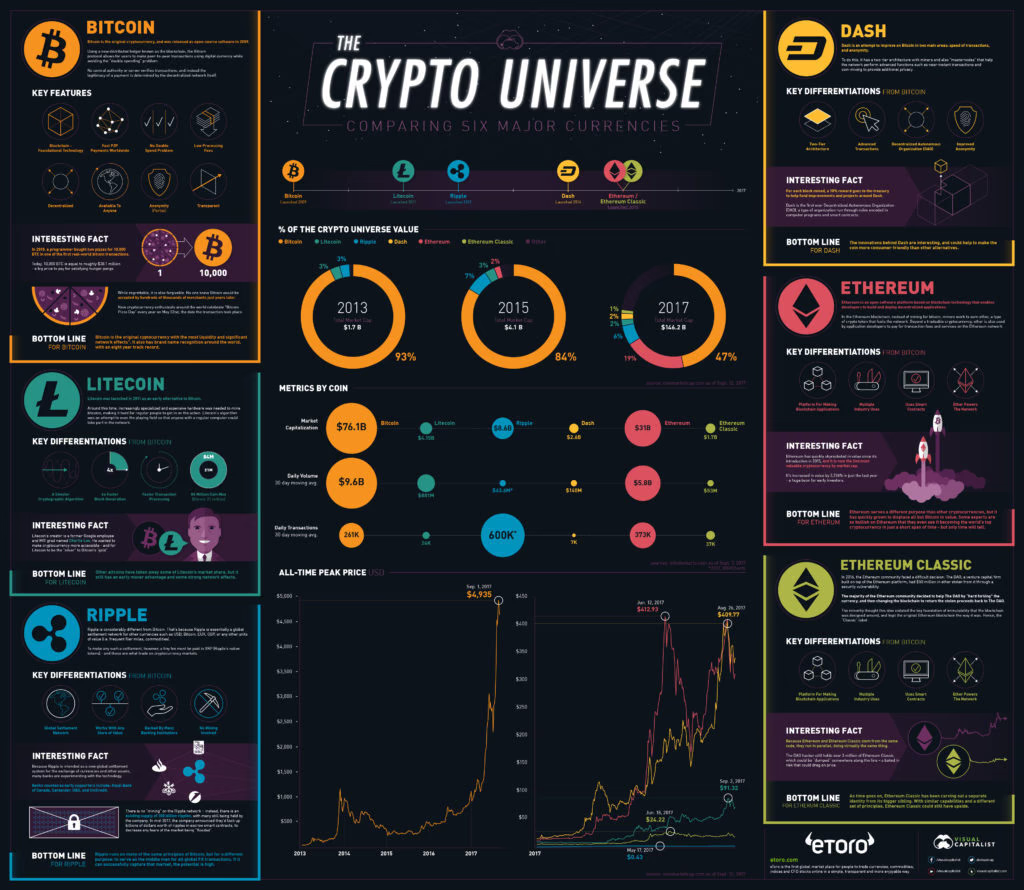
Each asset serves a unique need, goal, or community. Bitcoin builds trust through its long history, while Ethereum supports apps and smart contracts. Stablecoins enable simple everyday transfers, and meme coins show the power of culture and online interest.
This variety makes many people ask how many tokens truly exist. The number keeps changing as new ideas appear each year. CoinDCX helps users follow selected crypto assets with detailed research and structured learning. It does not list every token in the world, but it supports safer discovery for beginners who want reliable information.
Types of Crypto
The crypto world includes many categories, and each type serves a different purpose. Understanding these groups helps beginners see how wide and creative this industry has become.
- Coins
Coins run on their own blockchain networks. Bitcoin and Ethereum are the best-known examples in this group. People use coins to transfer digital value on a secure and open system. Some coins also help protect their networks through mining or staking. Each coin brings its own rules, features, and use cases.
- Tokens
Tokens exist on existing blockchains such as Ethereum, Solana, and BNB Chain. They do not have separate networks and depend on the blockchain they use. Tokens come in many formats, such as:
- DeFi tokens for lending, trading, and financial tools
- Governance tokens for voting on protocol decisions
- Utility tokens for rewards or platform access
- NFTs for art, gaming items, or digital ownership
- Stablecoins
Stablecoins try to keep steady prices. They usually link to fiat currencies like USD. Examples include USDT and USDC. Many people use them for transfers and settlements. They offer less daily price movement.
- Meme Coins
Meme coins grow from culture, humor, and trends. Their communities play a strong role. Dogecoin and Shiba Inu led this category. Some last longer than expected. Many disappear quickly.
- Security Tokens
Security tokens represent financial assets, such as shares or bonds, in digital form. They comply with regulations and provide greater transparency into ownership records. This category blends traditional finance with blockchain technology. It grows slowly but remains important for real-world asset representation.
- Privacy Coins
Privacy coins focus on stronger transaction confidentiality. Examples include Monero and Zcash. These assets hide certain details, such as wallet addresses or transaction amounts. They serve people who want more privacy than regular blockchains provide.
- Utility and App-Specific Tokens
Some tokens power specific apps, games, or digital worlds. They may unlock features, offer rewards, or support in-game economies. These tokens help build strong digital communities and keep platforms active.
- Gaming and Metaverse Tokens
Games and virtual worlds often use their own tokens. They support in-game purchases, rewards, and digital economies. These tokens power items, skins, virtual land, and player communities. They help developers build strong engagement and activity inside digital worlds.
- AI and Utility-Focused Tokens
A new group of tokens supports AI tools, data sharing, cloud networks, and digital identity. These assets aim to solve technical problems and create better online systems. Many new projects in 2025 fall under this category because AI and crypto are now growing together.
- Wrapped Tokens
Wrapped tokens represent assets from one blockchain on another network. Wrapped Bitcoin or WBTC is a common example. They help move value between different blockchains and improve liquidity. Wrapped assets allow users to access new tools without leaving their preferred network.
Why Do These Categories Matter?
Each type shows how wide the crypto world has become. Some assets focus on payments, some on privacy, some on creativity, and others on real-world use. This variety often leads beginners to ask how many types of crypto there are, and the answer grows every year.
Active vs. Dead Coins
The growth of the crypto space also includes many failure stories. Thousands of older tokens are no longer active projects today. They fade for different reasons, and each case offers new users something useful. Some teams leave soon after launch because their idea does not grow. Others lose funds or never build a steady community. Scams and rug pulls still appear at times, which hurts trust in the wider market. Some projects lose support gradually, while others are delisted from major platforms when activity declines. In many cases, development stops, and the token becomes a quiet entry on the blockchain.
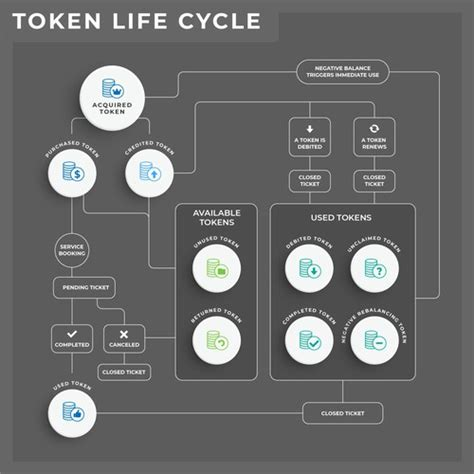
These “dead coins” stay visible online but offer no real purpose. This is why responsible learning is important for every beginner in crypto. Understanding a project’s history, team, and long-term progress gives people a clearer picture before they explore further. CoinDCX supports this by offering research tools and careful reviews that help users avoid weak or inactive assets. In a fast and open market, awareness and patience remain the safest first steps.
At the same time, the presence of inactive projects should not discourage learners. It shows how open and experimental the crypto world is today. Many strong ideas still grow into valuable, long-term ecosystems with real use. With steady learning and clear guidance, beginners can discover meaningful projects and follow this space with confidence and curiosity.
How to Identify Valuable Projects
Not every crypto project will succeed in the long run. Some may fade within months, while a few strong ones can last for decades. This space moves fast, so it helps to know what signs point to better potential. Clear patterns often reveal which projects stand on a stronger, more stable foundation.
- Clear and Useful Purpose
A valuable project starts with a real problem to solve. It offers benefits that people can use in daily life. The purpose must feel practical, not just hype or short-term excitement. Strong ideas create long-lasting interest and steady growth.
- Active Community Support
A healthy community keeps a project alive. Users share feedback, ask questions, and support new features. This engagement helps the project grow through honest input. Strong communities often lead to stronger long-term activity.
- Transparent and Skilled Team
Public teams help build trust and clarity. They share updates, explain goals, and discuss challenges openly. A skilled group shows long-term commitment through steady work. Clear communication helps beginners feel more confident.
- Strong Developer Ecosystem
Developers keep networks stable and updated. They fix issues, test new ideas, and improve features. A steady flow of development shows real progress. This signals that the project has support beyond marketing.
- Reliable Market Presence
Well-known exchanges include assets only after careful checks. CoinDCX reviews tokens to help beginners avoid unclear or unsafe projects. This gives users a cleaner starting point with screened options. A reliable listing often reflects basic stability.
A Simple Ending to a Big Crypto Question
People often ask: how many cryptos are there? The simple answer surprises most people. There are now over 10,000 active crypto worldwide. However, only a small group leads the market. Many tokens may disappear soon. Some may change industries with time.
Crypto still feels new and experimental. The future remains uncertain yet exciting. Responsible learning and awareness matter more than hype. CoinDCX supports this journey through education and clarity. Understanding space is always the first step.
If someone wonders how many types of crypto there are in the world, the answer includes coins, tokens, stablecoins, and meme coins. Each type plays a different role in the digital economy. Understanding these categories helps beginners see the bigger picture.
Crypto continues evolving every year. New projects redefine technology and society. Curiosity and learning remain the most valuable tools today.
FAQs
1. How many new coins launch daily?
Dozens of new tokens appear every day. Many never gain traction or adoption. Many new coins launch each day on major blockchains. The number changes fast as new teams test ideas. Most coins do not gain real users or steady activity. Only a few grow into known and active crypto assets.
2. What percentage of crypto eventually fails?
A large share of crypto fails within a short time due to weak plans or low support. Many teams stop work because they cannot maintain the project. Some coins fade as users shift to better or safer options. Only a small group with clear value and strong teams stays active for years.
3. Which are the top five crypto by market cap?
Bitcoin stays at the top because it leads global crypto value. Ethereum often sits right behind due to its smart-contract network. USDT, BNB, and Solana also remain among the largest coins. These rankings shift daily due to price moves and market activity across exchanges.
4. How can I discover new tokens early?
You can find new coins through trusted market trackers and public blockchain explorers. These tools show fresh listings, token data, and early activity patterns. CoinDCX also lists new assets after rigorous reviews, helping beginners avoid unsafe or unknown projects. Regular updates can help you spot new coins without taking blind risks.
5. Are meme coins considered real crypto?
Yes, meme coins are real crypto built on open blockchain networks. They grow fast due to strong online culture and active communities. Some reach large market caps even with simple ideas or limited use. Their value mainly depends on demand and social trends rather than deep utility.