


Key Takeaways
- Hot Wallets: Best for quick transactions and active trading, but more exposed to online risks.
- Cold Wallets: Designed for maximum security and long-term storage of larger holdings.
- Main Difference: Hot = convenience, Cold = security.
- Which is safer? Cold wallets are safer because they stay offline.
- Which is Better? Traders may prefer hot wallets, while long-term investors should choose cold wallets or use a mix of both.
In the ever-evolving world of the crypto market, one crucial aspect that every enthusiast should understand is the difference between hot wallets and cold wallets. These two types of crypto wallets serve distinct purposes, each with its own set of advantages and disadvantages. In this article, we will delve into the crypto hot wallet vs cold wallet in detail. By the end, you’ll clearly understand when and why you should use one over the other.
What are Crypto Wallets?
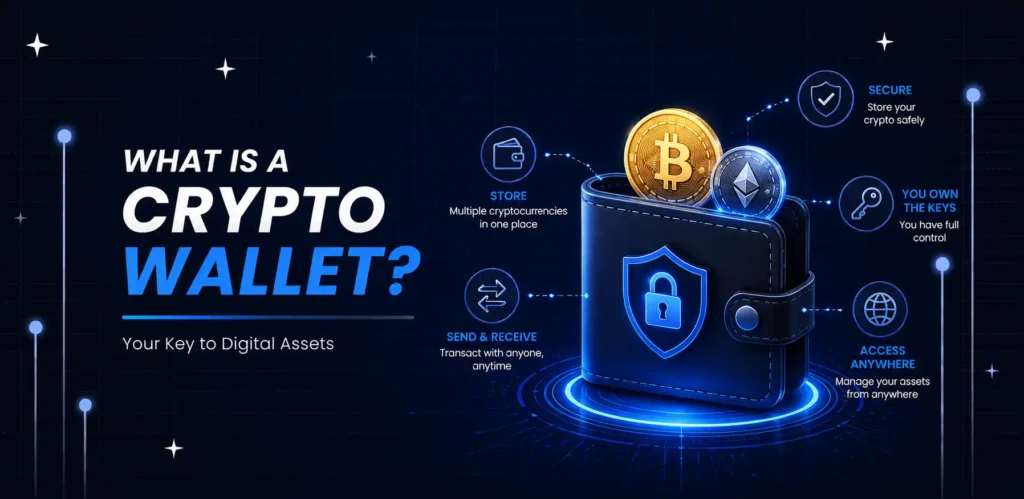
Crypto wallets serve as digital instruments, enabling individuals to store, transmit, and receive crypto assets securely. These wallets encompass a public key, functioning as a destination for incoming transactions, and a private key, serving as a confidential code to access and oversee stored crypto assets. While various types of crypto wallets exist, our focus for this blog will be on the primary classifications: hot wallets and cold wallets.
Read more: Blockchain vs Crypto assets
What are Hot Wallets in Crypto?
Hot wallets are a type of crypto wallet that maintains a constant connection to the internet. These wallets are available in diverse forms, such as web, mobile, and exchange wallets. Web wallets are accessible through web browsers, mobile wallets are designed for smartphones, and exchange wallets are integrated into crypto exchange platforms.
Key features of hot wallets:
- Always online, enabling quick access.
- Simple, beginner-friendly interfaces.
- Often integrated with exchanges for fast trades.
- Work across multiple platforms (web, mobile, desktop).
Best for: Active traders and users who need frequent transactions.
Downside: Internet connection makes them vulnerable to hacking.
What are Cold Wallets in Crypto?
Cold wallets, often called cold storage, are crypto storage solutions that stay completely offline. Since they are not connected to the internet, they provide much stronger protection against online threats, hacking, and unauthorized access. They are most suitable for long-term storage of large amounts of crypto and are popular among investors who prioritize security.
Key Features of Cold Wallets:
- Offline Security: Operate without an internet connection, reducing cyber risks.
- Best for Long-Term Use: Ideal for storing large holdings over time.
- Full Control: Users manage their private keys directly.
- Immune to Online Hacking: Not exposed to malware, phishing, or cyberattacks.
- Different Types Available: Hardware wallets, paper wallets, steel wallets, vaults, and offline software wallets.
Best for: Long-term holders who want maximum security.
Downside: Less convenient for quick access and trading.
Hot Wallet vs Cold Wallet
Here are the six key differences between cold wallets and hot wallets that will help you decide based on factors like safety, accessibility, suitability, and more.
| Parameter | Hot Wallet | Cold Wallet |
| Cost | Hot wallets are typically free, and some even offer interest on stored crypto. | Cold wallets necessitate the purchase of an external device, typically ranging from $50 to $250. |
| Ideal Usage | Hot wallets provide convenient access and are well-suited for active trading. | Cold wallets excel in safeguarding assets for the long term. |
| Crypto Storage Capacity | Hot wallets can accommodate a range of crypto, from one to tens of thousands. | Cold wallets have substantial storage capacity, from 1,000 to tens of thousands of cryptos. |
| Cybersecurity | Hot wallets are moderate due to their internet connectivity. These wallets carry a potential vulnerability to hacking. | On the other hand, cold wallets are excellent. Being offline, cold wallets are impervious to online threats but require protective measures against physical loss or damage. |
| Asset Recovery | Hot wallets are good. Most of them offer recovery and backup options, accessible from multiple devices. | Cold wallets are fair. These wallets typically provide recovery options for lost passwords but may lack solutions for lost physical devices. |
| Ease of Exchange Transfers | Hot wallets are efficient, as they offer seamless access, being internet-connected by default. | Cold wallets stand moderately, as they require an additional step to connect online via USB, Wi-Fi, or QR code. |
Pros of Hot Wallets
- Convenience: Hot wallets offer quick and easy access to your crypto assets, making them suitable for everyday use and trading.
- User-Friendly: They are often user-friendly and come with intuitive interfaces, making them accessible to beginners.
- Integration: Many hot wallets are integrated with crypto exchanges, enabling seamless trading.
- Accessibility: With an internet connection, you can access your hot wallet from anywhere.
Cons of Hot Wallets
- Security Risks: Hot wallets are more susceptible to hacking and cyberattacks due to their online nature.
- Lack of Control: Users don’t have full control over their private keys, as the wallet service provider often holds them.
- Not Ideal for Large Holdings: Keeping significant amounts of crypto in a hot wallet is risky, especially for long-term storage.
Additional Read: Create Your Own Crypto Asset
Pros of Cold Wallets
- Maximum Security: Cold wallets provide the highest level of security as they are not susceptible to online threats.
- Full Control: Users have complete control over their private keys, reducing the risk of unauthorized access.
- Ideal for Long-Term Storage: Cold wallets are perfect for storing significant amounts of crypto for the long term.
- Protection from Hacks: Since they are offline, they are immune to hacking attempts on online platforms.
Cons of Cold Wallets
- Inconvenience: Cold wallets are less convenient for frequent trading or quick access to funds.
- Learning Curve: They may be intimidating for beginners due to their technical setup.
- Risk of Physical Loss: If you lose access to your cold wallet, you cannot recover your assets.
Read More: How to Invest in Crypto Assets as Young Investors?
5 Types of Cold Wallets
- Hardware Wallets: These physical devices resemble USB drives and securely store private keys offline. To conduct transactions, briefly connect the hardware wallet to a device, sign the transaction, and then disconnect it, ensuring offline key protection.
- Paper Wallets: A completely offline method, paper wallets entail printing private and public keys on physical paper. Be cautious, as losing or damaging the paper could lead to asset loss.
- Crypto Vaults: Offered by select exchanges and wallet services, vaults provide enhanced security features like multi-signature authentication and delayed withdrawals. They serve as a secure form of cold storage within their platforms.
- Steel Wallets: Private keys are engraved onto metal or steel, offering physical durability and protection against environmental hazards such as fire and water damage.
- Offline Software Wallets: Certain software wallets enable the creation of offline versions by installing them on a computer that has never connected to the internet. These offline computers generate and safeguard private keys offline.
When to Use Crypto Hot Wallets
- Since hot wallets have a software base and are digitally connected, they are often picked for regular transactions.
- Hot wallets offer more accessibility and convenience.
When to Use Crypto Cold Wallets
- Cold wallets are preferred for long-term crypto trades since they are hardware-based and operate offline.
- Cold wallets offer better security.
When to Combine Crypto Hot Wallets and Crypto Cold Wallets
- Include both hot wallets and cold wallets in your strategy to balance accessibility with security.
- Keep a small amount in a hot wallet for daily trading or spending.
- Store the majority in a cold wallet for safety.
Conclusion
In the world of crypto, understanding the nuances of crypto hot wallets and cold wallets is essential for safeguarding your assets. Hot wallets offer convenience and accessibility, while cold wallets prioritize security and control. Your choice between the two should depend on your specific needs, risk tolerance, and the nature of your crypto activities.
Remember, there is no one-size-fits-all solution, and many users choose to utilize both types of wallets for different purposes. Ultimately, the key to crypto wallet management is striking the right balance between convenience and security to ensure the safety of your valuable crypto assets.
FAQs
The choice between a crypto hot wallet and cold wallet depends on your specific crypto needs and preferences. When it comes to seasoned traders, their trading needs determine the choice. Cold wallets are safer because they stay offline, keeping your crypto protected from hacks and online threats. Hot wallets are more convenient, but security-wise, cold storage is the better choice. Cold storage, also known as offline wallets, ranks among the most secure approaches to safeguarding crypto tokens like Bitcoin. These wallets remain offline and impervious to internet access, while hot wallets, although less secure, remain favored by certain users due to their convenience. No, you don’t lose your crypto in a cold wallet. Your assets are stored on the blockchain and can always be accessed with your private key. Due to its connection with the internet, hot wallets are considered vulnerable to attacks from hackers. When holding crypto in a small amount, a hot wallet may suffice. That said, cold wallets can still provide better security even for smaller amounts.
Q1. Crypto Hot or cold wallet, which is better?
Q2. Hot wallet vs cold wallet — which is safer?
Q3. Should I put my crypto in a cold wallet?
Q4. Can you lose crypto in a cold wallet?
Q5. Are crypto hot wallets safe?
Q6. Is a cold wallet necessary if I hold crypto in a small amount?